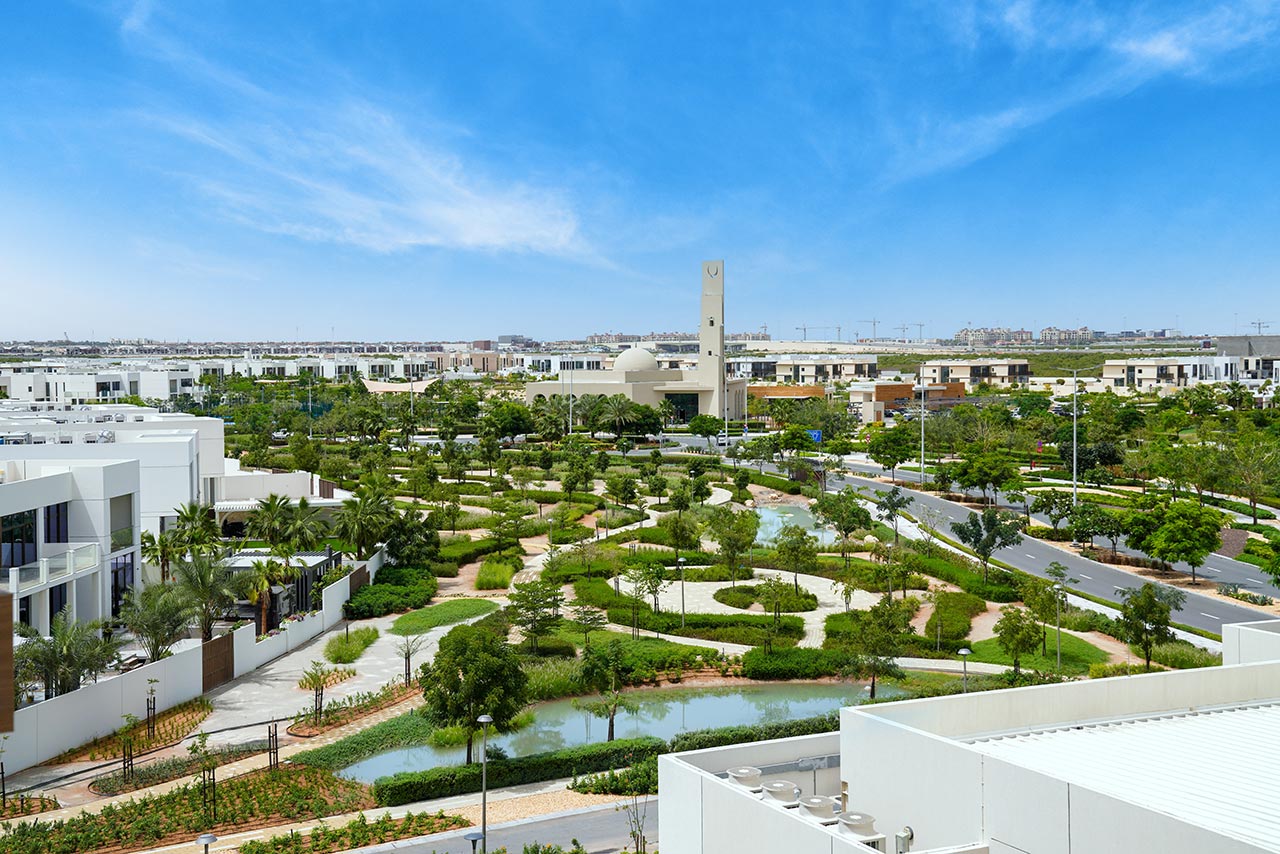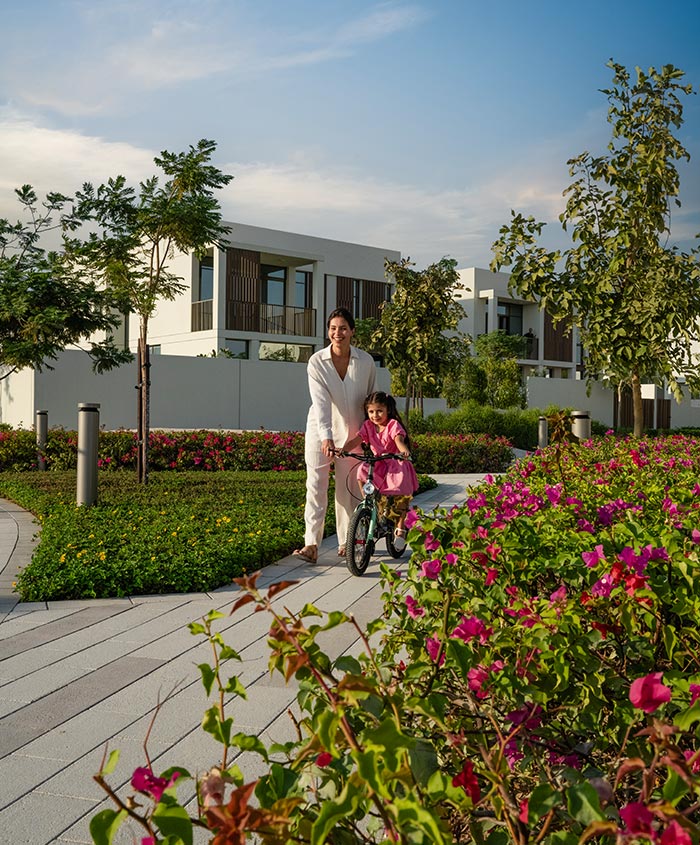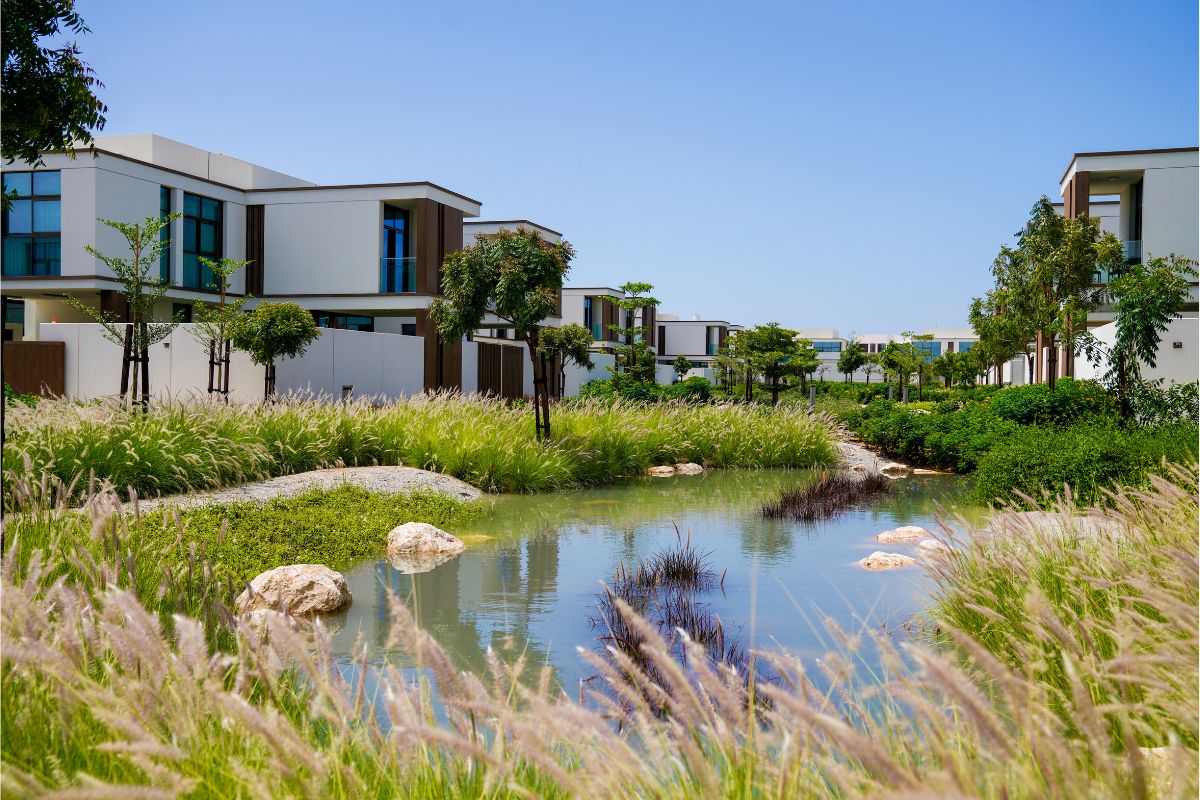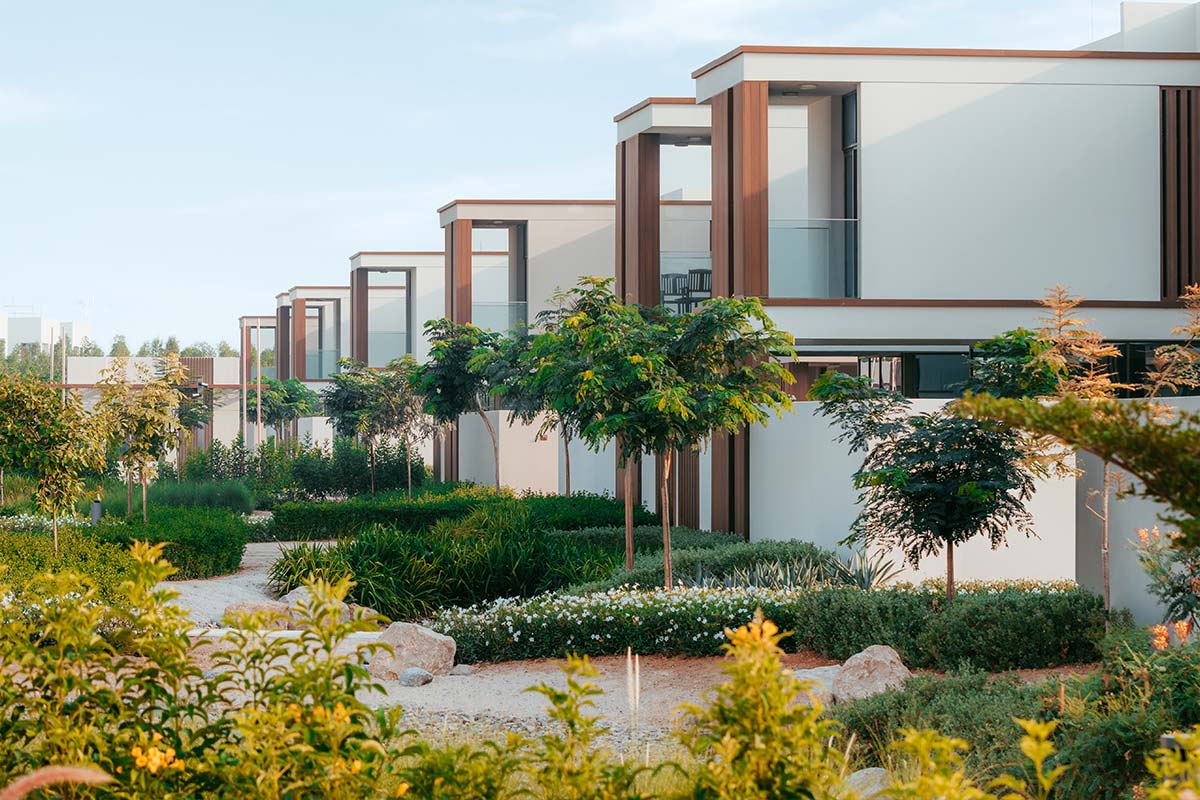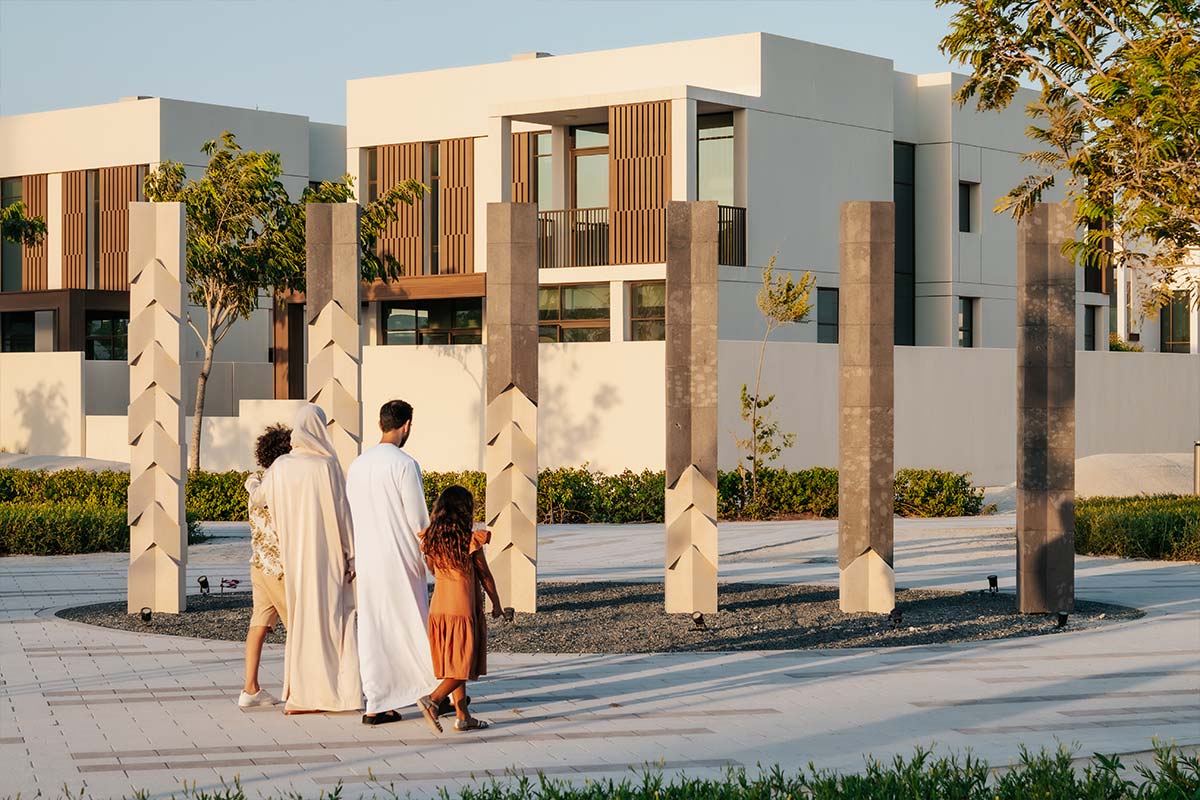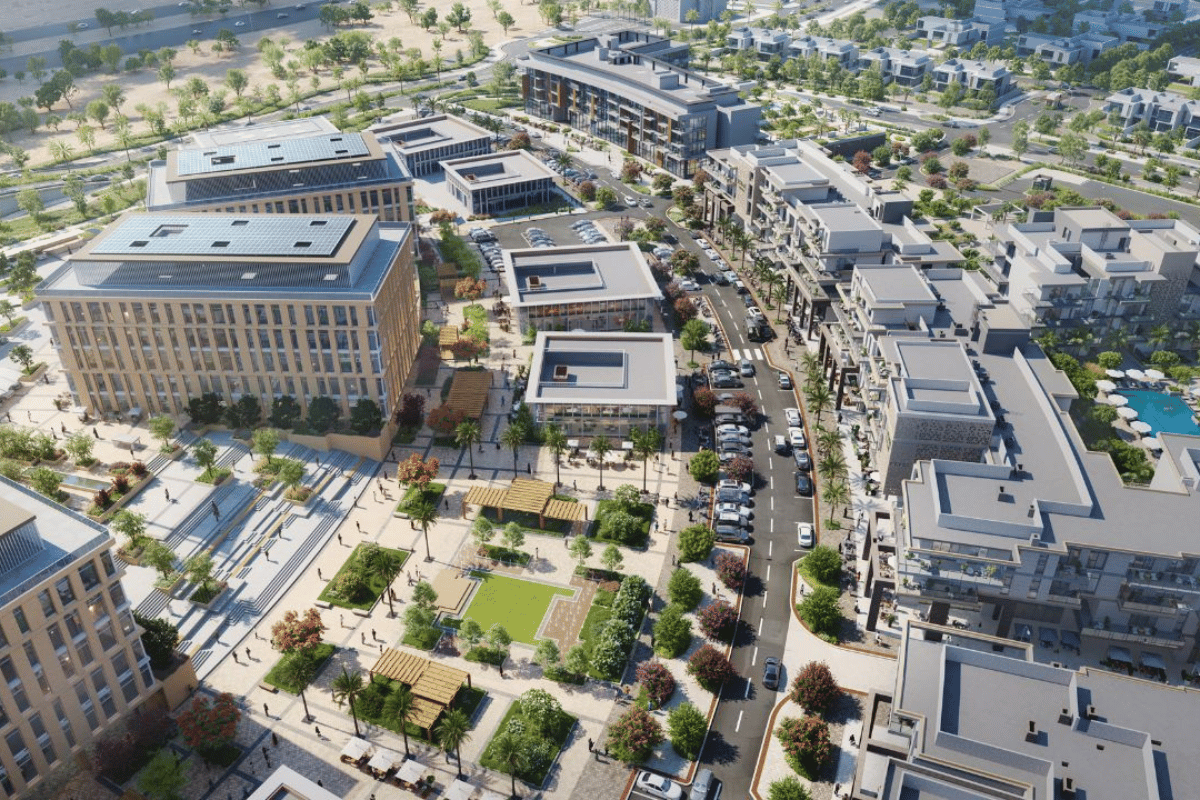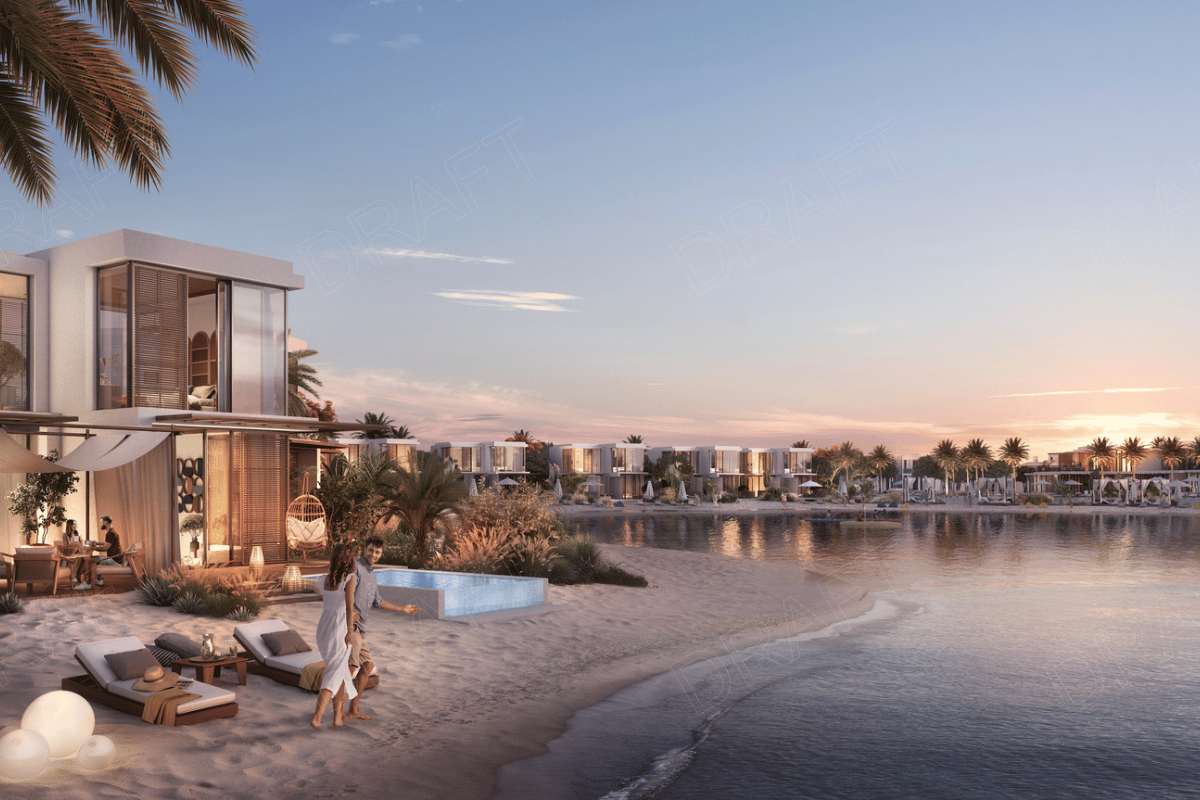
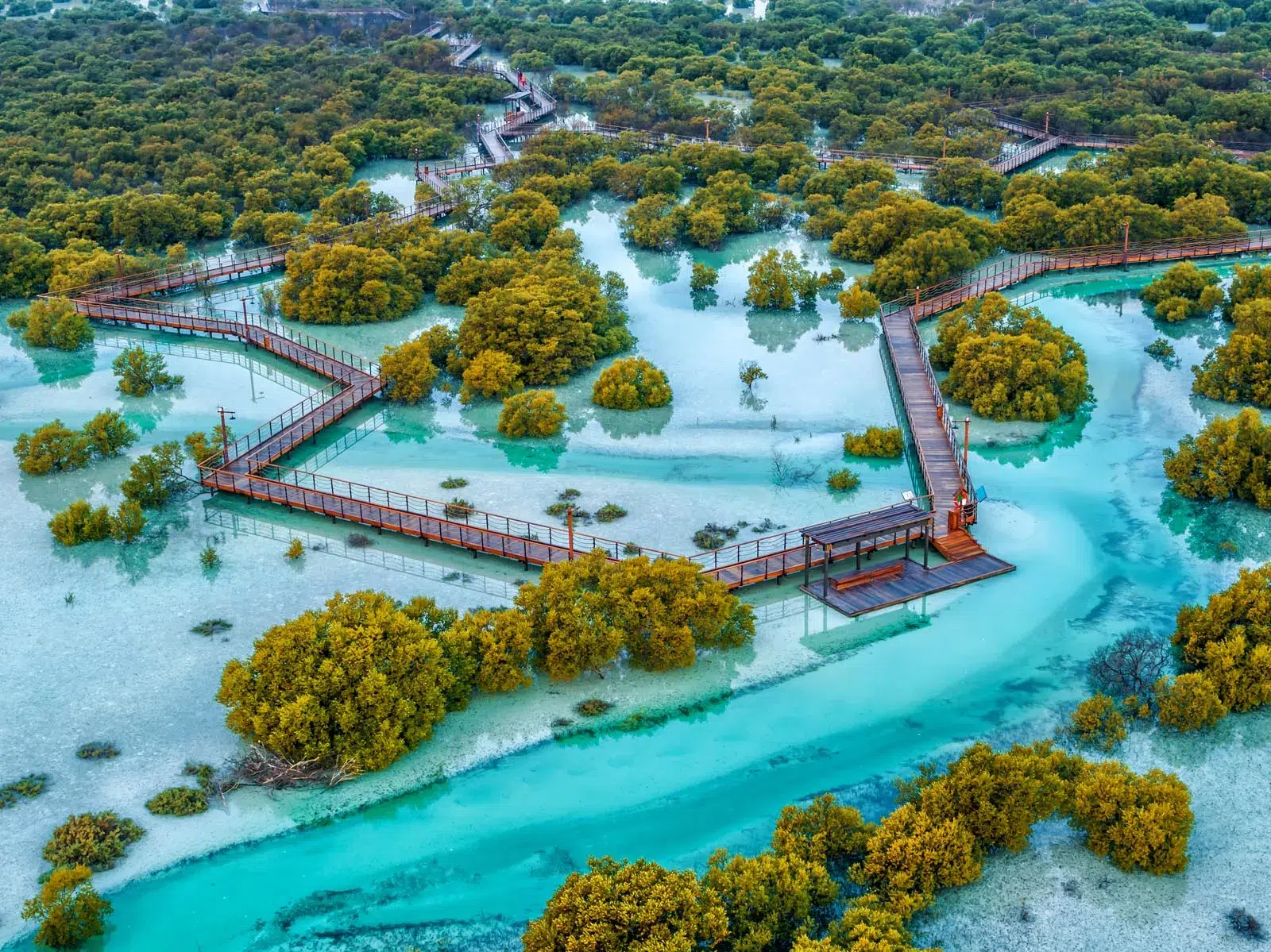
Welcome to Jubail Island, where nature and innovation come together. We are Abu Dhabi’s first self-contained education, nature, and leisure destination, spanning 480 hectares of protected mangrove forests and over 30 kilometers of pristine waterfront. As we move through 2026, our island has become a living example of how communities can thrive alongside nature.
Our commitment to conservation goes beyond words. Every decision we make, from the way we light our streets to how we cool our buildings, is designed to protect the delicate ecosystem that makes this place special.
Our Commitment to Nature
At Jubail Island, protecting the mangroves and local wildlife is not just a priority. It is the foundation of everything we do. Our mangrove sanctuary serves as a haven for diverse bird species, marine life, and terrestrial animals. Flamingos, western reef herons, and other migratory birds rely on these protected waters for feeding and nesting. Marine species like fish, crabs, and molluscs flourish in the tidal channels, while gazelles roam the surrounding landscape.
We work closely with the Environment Agency – Abu Dhabi (EAD) through the Abu Dhabi Mangrove Initiative. Together, we have already planted more than 600,000 mangrove trees as part of our goal to plant one million trees over the next decade. This effort supports the UAE’s national target of planting 1 million mangroves by 2030.
Our island also hosts the Jubail Mangrove Innovation Centre, a dedicated hub for mangrove research, training, and restoration. This facility brings together scientists, conservationists, and community members to advance our understanding of coastal ecosystems and develop sustainable solutions for the future.
Our Island is also home to other critical coastal habitats, including 715 hectares of salt marsh and 240 hectares of seagrass meadows. These ecosystems play ecological roles similar to mangroves, supporting biodiversity, stabilising coastlines, improving water quality, and providing essential nursery grounds for marine life.
Rooted in Responsibility
Mangroves are among the most powerful natural tools we have for fighting climate change. According to EAD, mangroves can store and sequester carbon up to four times higher than trees in the Amazon rainforest. The dense root systems of our Grey Mangroves capture and lock away carbon dioxide from the atmosphere, making our island a significant carbon sink.
But the benefits go beyond carbon storage. Mangrove roots create a protective nursery for marine life. Juvenile fish, snappers, bream, and crabs find shelter among the tangled roots, where they can grow safely before moving into open waters. This nursery effect has led to a measurable increase in fish populations throughout the Arabian Gulf, strengthening the entire coastal food chain.
The root systems also protect our coastline from erosion and storm surges, acting as a natural barrier that keeps our shoreline stable. As sea levels rise and coastal areas face increasing pressure, healthy mangrove forests become even more critical.
Technology Meets Conservation
Innovation drives our conservation efforts. We use drone technology to plant mangroves in areas that are difficult to reach on foot. EAD successfully planted one million mangrove seeds using drones as part of the first phase of this project. These specialized drones can disperse over 2,000 seeds in approximately eight minutes, making large-scale reforestation faster and more efficient.
The environmental footprint of drone planting is low. It eliminates the need for intense labor and sapling transportation, reduces costs, and removes the need for traditional nurseries. Most importantly, it allows us to reach remote and challenging coastal areas where manual planting would be nearly impossible.
Monitoring growth is just as important as planting. We are currently running trials with machine learning technology to track the development of newly planted mangroves. Our drones map the habitat, create 3D imaging, and monitor growth patterns over time. This data helps us understand which planting methods work best and where we need to fill gaps in the canopy.
While we continue to explore advanced monitoring systems, our focus remains on practical, proven solutions that deliver real results for the environment.
Protecting Our Animal Neighbors
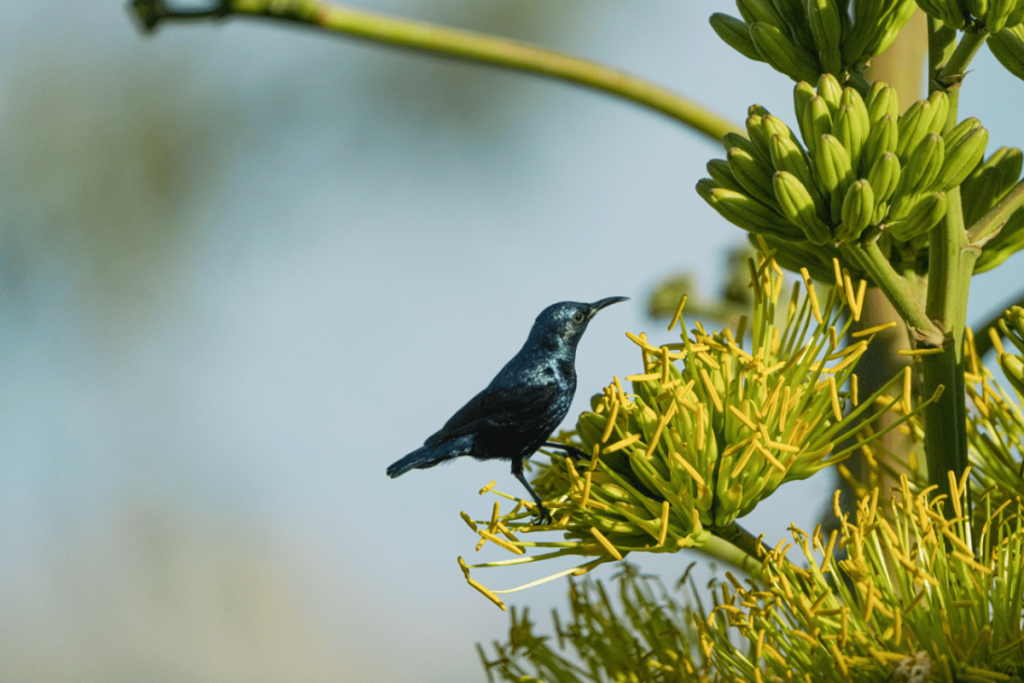
Wildlife thrives when habitats are protected and respected. Jubail Island Mangrove Park is home to flamingos, western reef herons, and many other bird species that depend on the mangroves for survival. The park’s calm, protected waters provide ideal feeding and nesting conditions, and strictly enforced no-wake zones ensure that these birds can rest undisturbed.
Marine life flourishes in the tidal channels. Fish, crabs, molluscs, and invertebrates form the foundation of a healthy ecosystem, supporting the wider food chain. The mudflats teem with fiddler crabs and snails, which play a crucial role in processing organic matter and keeping the soil healthy.
Gazelles live in the surrounding landscape, benefiting from the island’s protected environment. By preserving natural habitats and minimizing human disturbance, we create safe spaces where both marine and terrestrial wildlife can thrive side by side.
Living in Harmony
Every aspect of Jubail Island is designed to minimize our environmental impact. We use specialized low-lumen, amber-toned street lighting to prevent disorienting migratory birds and nesting turtles. This “dark sky” approach reduces light pollution, allowing both wildlife and residents to experience the natural rhythm of day and night.
Our buildings are positioned to take advantage of the Shamall winds, the cooling breezes that flow across the Arabian Gulf. This passive cooling design reduces the need for air conditioning, lowering energy consumption and carbon emissions. Roads and pathways feature permeable paving, allowing rainwater to soak into the ground instead of running off into the sea. These small design choices add up to significant environmental benefits.
Water management is another priority. We carefully monitor salinity levels and oxygenation in the lagoons to ensure that marine life has the conditions it needs to survive. By protecting water quality, we protect the entire ecosystem.
Seeing the Island by Water
Kayaking through Jubail Island’s calm lagoons offers a unique perspective on the mangrove ecosystem. We offer guided kayaking tours in single and double sit-on-top kayaks, perfect for all experience levels. Tours last 60 to 90 minutes, giving you plenty of time to explore the quiet waterways and observe marine life up close.
Arrive at least 15 minutes before your scheduled session. Life jackets are provided and must be worn at all times for safety. The water is calm, but you will get wet, so bring a change of clothes. Under-18s must be accompanied by a guardian.
For those who prefer a more relaxed experience, our electric dragon boats and private electric boat tours offer a smooth, quiet ride through the mangroves. These eco-friendly boats produce no emissions and allow you to glide silently through the water, increasing your chances of spotting wildlife.
Tides influence the kayaking experience. High tide offers deeper water and easier paddling, while low tide reveals more of the root systems and mudflats, providing a closer look at the ecosystem’s foundation.
Exploring Our Boardwalks
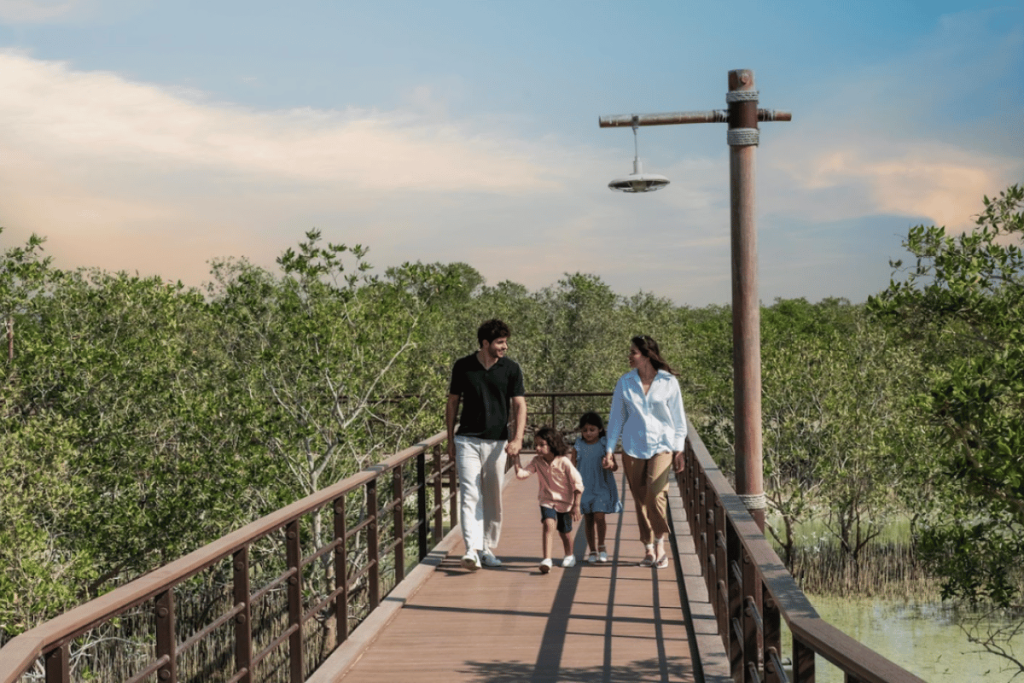
Our 2-kilometer boardwalk winds through the heart of the mangrove forest, offering three distinct trails that let you explore at your own pace. Educational stops along the way explain the role of mangroves in the ecosystem, the species that call this place home, and the conservation work happening on the island.
For a deeper experience, book a guided boardwalk tour with one of our park rangers. These 60-minute tours include stops at key points like the Salt Collector and the Viewing Tower, where you can take in sweeping views of the mangrove canopy. Our rangers share insights into the ecosystem, answer questions, and help you spot wildlife you might otherwise miss.
Rest stops are located throughout the boardwalk, giving you time to pause, breathe, and absorb the natural beauty around you. The boardwalk is accessible, well-maintained, and designed to immerse you in nature without disturbing the delicate environment.
Experience the Nature of Jubail Island
Jubail Island is more than a place to live or visit. It is a model for how communities can protect nature while enjoying its benefits. Every kayak tour you take, every step you walk along the boardwalk, and every moment you spend in our mangrove sanctuary support our conservation mission.
We invite you to experience Jubail Island for yourself. Book a kayaking tour or boardwalk experience at Jubail Mangrove Park and see firsthand how conservation and community come together. Visit our website to learn more about available properties, upcoming events, and ways to get involved in our sustainability initiatives.
By choosing Jubail Island, you are choosing a future where nature and people thrive together. Let’s protect this extraordinary ecosystem, one mangrove at a time.