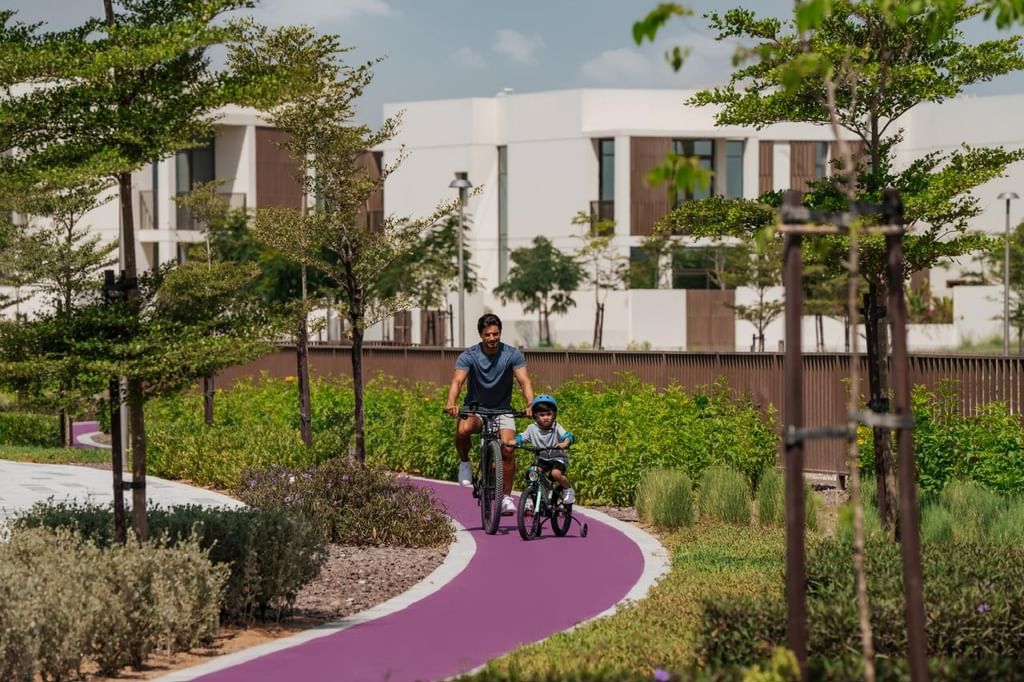
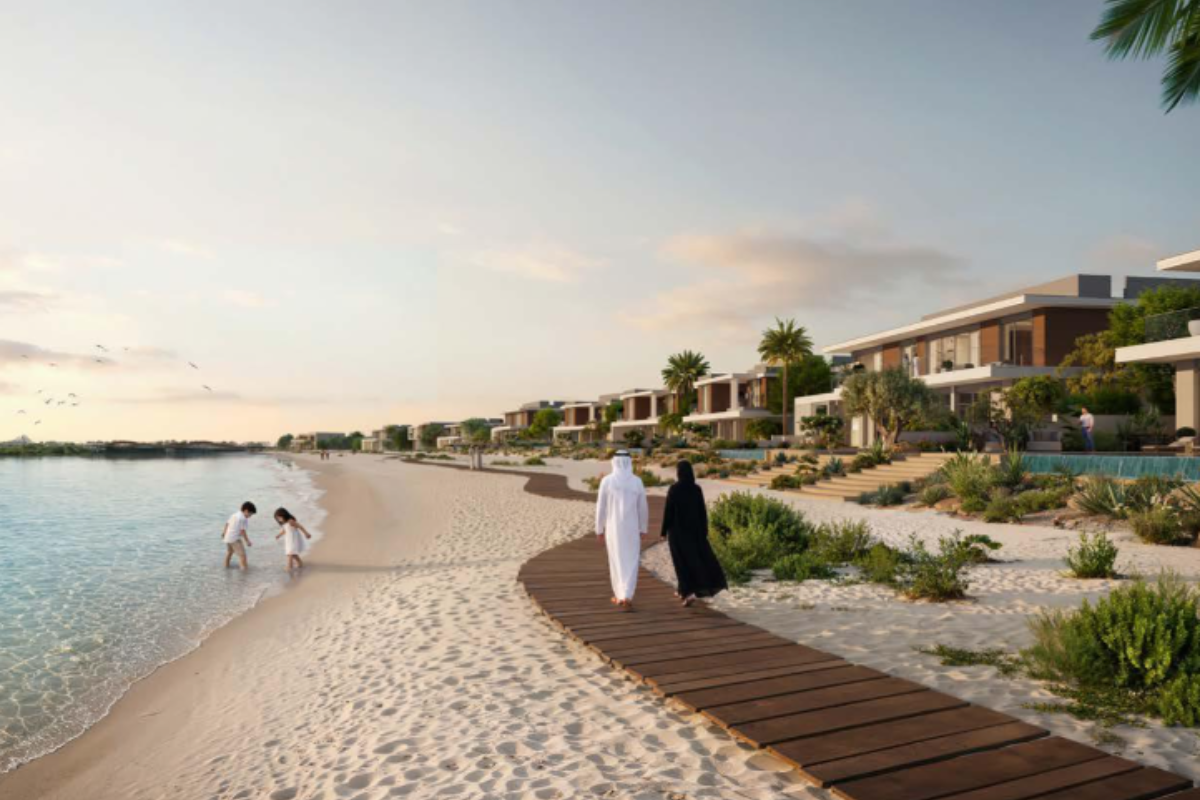
As demand grows for healthier, family-oriented neighbourhoods, walkable communities in Abu Dhabi are becoming increasingly desirable among homeowners and property investors. Residents are looking beyond traditional car-dependent developments and seeking places where everyday essentials, parks, cafés, schools, waterfronts, and wellness facilities can be reached on foot or by bike.
Jubail Island was designed around exactly this principle. Through a carefully planned network of pedestrian pathways, cycling routes, parks, community facilities, and waterfront promenades, the island offers a lifestyle that prioritises people over traffic. Here’s how the masterplan works and why it stands out among the most walkable neighbourhoods in Abu Dhabi.
What Makes a Community Walkable?
Walkability is about far more than providing sidewalks. The most successful pedestrian-friendly communities in Abu Dhabi share several essential characteristics:
- Short distances between homes and daily amenities
- Safe, interconnected walking and cycling networks
- Shaded routes that improve comfort year-round
- Easily accessible parks, retail areas, schools, and waterfront spaces
- A lower-density environment that feels calm and inviting
Walkable neighbourhoods also support healthier lifestyles. When daily activities can be completed on foot, residents naturally incorporate more movement into their routines, improving both physical and mental wellbeing.
The Vision Behind Jubail Island's Masterplan
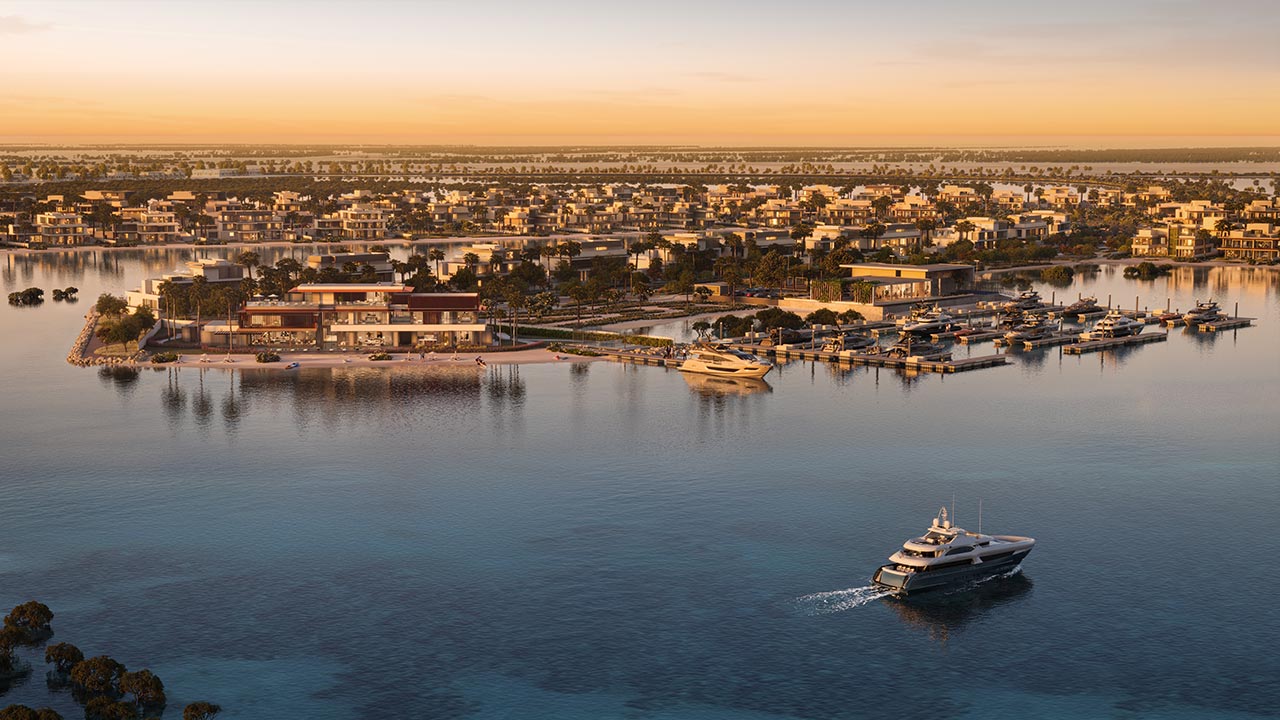
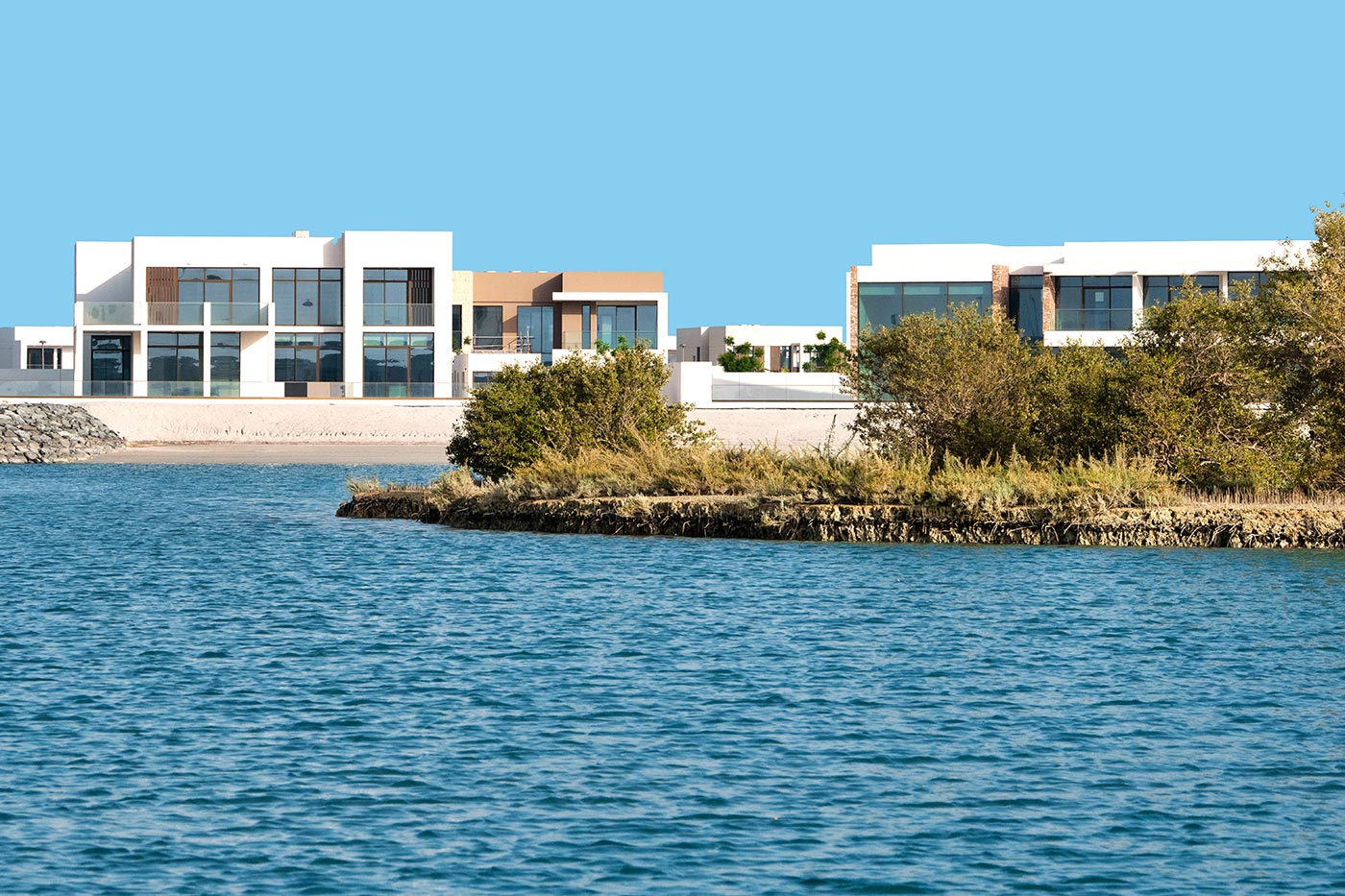
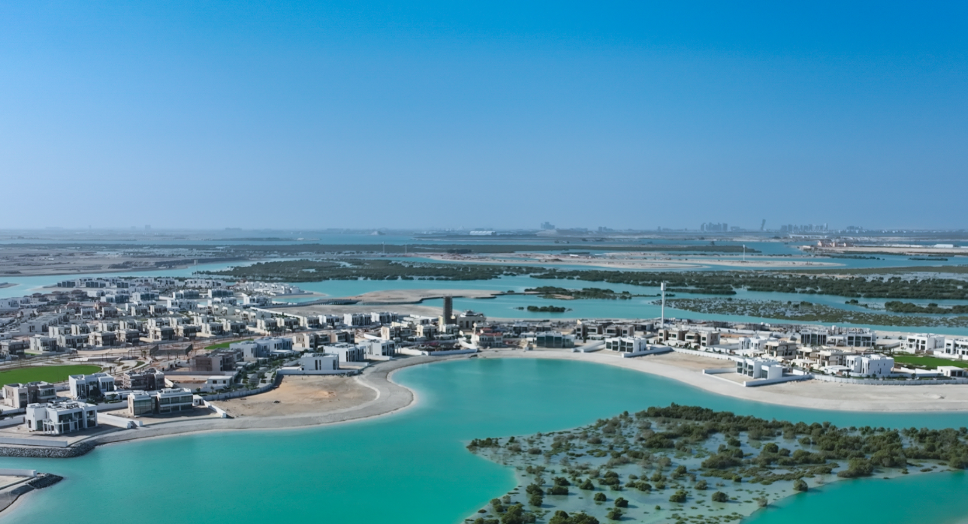
The masterplan starts with a clear idea: build less, and connect it well. Only around 20% of the island is developed. The rest is kept as mangroves, water and more than 1.2 million square metres of parks and open space.
This low density approach shapes how the island feels on foot. Streets are quieter, views open up to the water, and walking routes pass through greenery rather than car parks. The island’s developer, LEAD Development, linked the villages with pedestrian and cycling networks so residents can move between them without always reaching for car keys.
Seven Villages Built at a Human Scale
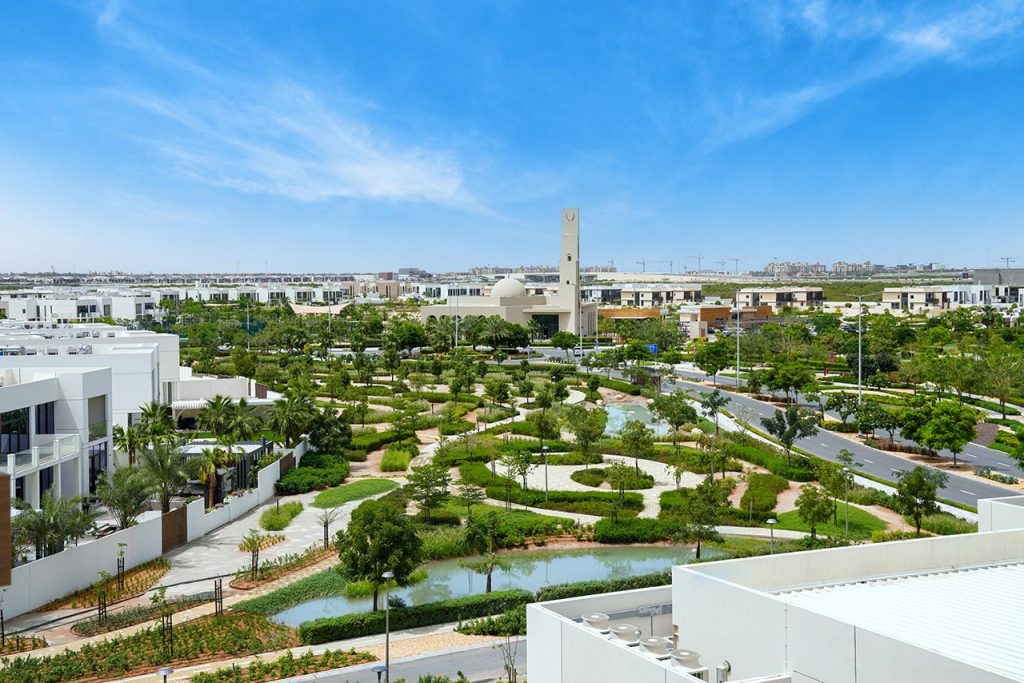
Unlike many large residential developments, Jubail Island is divided into seven distinct villages. Each neighbourhood is designed to function as a walkable destination in its own right while benefiting from island-wide amenities.
Souk Al Jubail: The island’s most walkable and vibrant district, Souk Al Jubail combines:
- Residential neighbourhoods
- Community plazas
- Retail destinations
- Cafés and restaurants
- Parks and playgrounds
The village serves as the social and commercial heart of the island, allowing residents to complete many daily activities within walking distance.
Marfaa Al Jubail: Located around a waterfront marina, Marfaa Al Jubail features:
- Landscaped promenades
- Restaurants and cafés
- Marina views
- Public gathering spaces
Its waterfront setting naturally encourages walking and outdoor recreation.
Ain Al Maha: Designed with families in mind, Ain Al Maha includes:
- Neighbourhood parks
- Children’s play areas
- Shaded seating zones
- Family-focused residential streets
Green spaces are woven throughout the community rather than concentrated in one central location.
Seef Al Jubail: For active residents, Seef Al Jubail offers:
- Jogging routes
- Outdoor fitness areas
- Waterfront boardwalks
- Mangrove views
The district blends recreation with ecological preservation.
Nad Al Dhabi: This village focuses on wellness and open space through:
- Community parks
- Open lawns
- Wellness zones
- Family gathering areas
Residents enjoy easy pedestrian access to outdoor lifestyle amenities.
Bada Al Jubail: As one of the island’s most exclusive addresses, Bada Al Jubail combines:
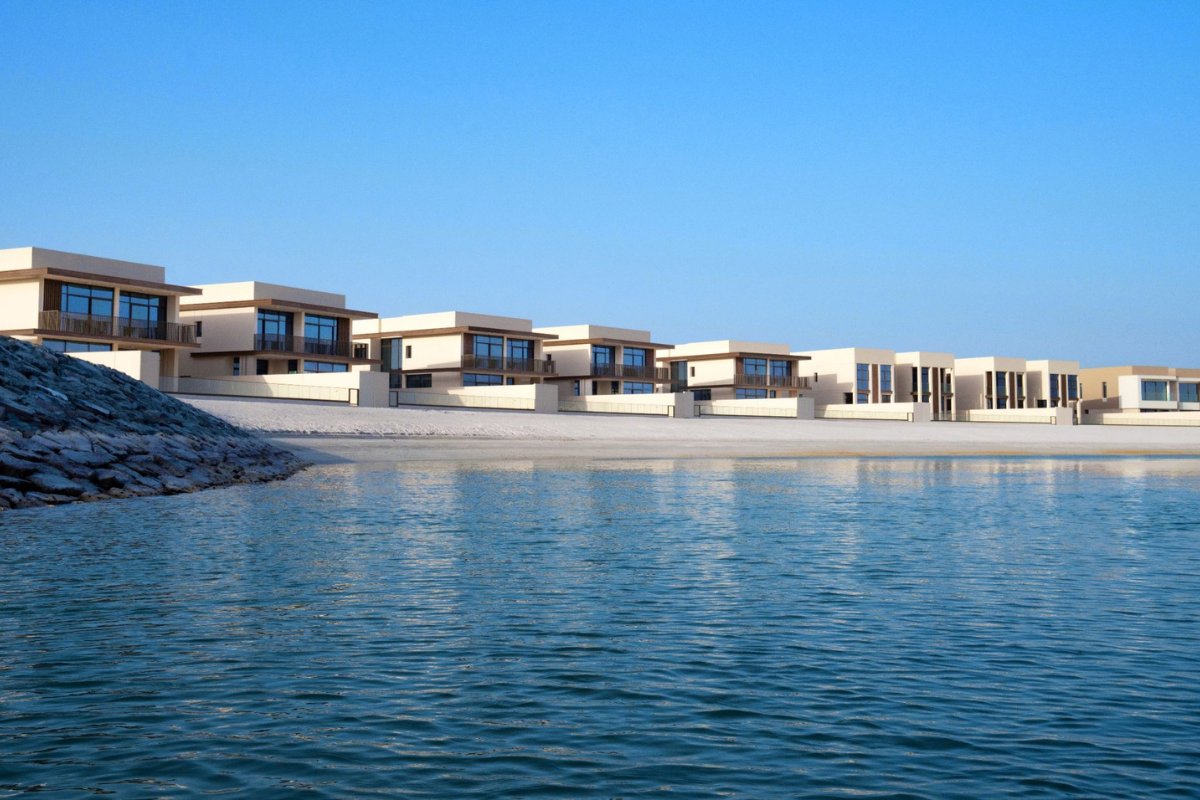
- Luxury waterfront mansions
- Private marina access
- Yacht club facilities
- Exclusive residential settings
Despite its privacy, the village remains connected to the wider island through integrated pathways and waterfront routes.
RIMAS: The island’s newest village, RIMAS is built around a Mangrove Trail connecting the community with Jubail Island Mangrove Park and Abu Dhabi Royal Equestrian Arts. It also features:
- Elevated promenades and a waterfront promenade
- A community beach and beachfront gym
- Cycle tracks and walking and running paths
- Multi-use sports courts and a kayak station
Homes range from four- to six-bedroom villas, with completion planned for Q1 2030.
Everyday Amenities Within Walking Distance
Walkability only works when there are destinations worth walking to.
Jubail Island was designed so that essential services and lifestyle amenities are distributed throughout the community rather than concentrated in distant commercial centres.
Education
Families benefit from convenient access to education facilities, including:
- Redwood Centre of Excellence Nursery & Kindergarten in Souk Al Jubail, opened in October 2026
- Gordonstoun School, which is set to open on the island
This allows many school journeys to be completed with minimal travel time.
Retail and Dining
Souk Al Jubail serves as the island’s retail hub and features:
- Cafés
- Restaurants
- Everyday services
- Convenience retail
Residents can enjoy everyday errands and social activities close to home.
Community Facilities
The island includes:
- Four themed community centres
- Mosques
- Multi-purpose sports facilities
- Recreation areas
These facilities help create a connected and active community environment.
Waterfront Living
Residents also enjoy access to:
- Marsa Al Jubail Marina
- Community beach
- Beach club facilities
- Waterfront promenades
The water is not simply a visual backdrop. It is integrated into daily life.
Parks, Promenades and Nature-Focused Design
One of the defining features of Jubail Island is the relationship between residential living and nature.
Every village incorporates parks and green spaces designed as natural extensions of the community. These areas provide:
- Walking routes
- Family gathering spaces
- Children’s play areas
- Outdoor recreation opportunities
For longer walks, the island’s waterfront promenades and shoreline paths offer some of the most scenic pedestrian experiences in Abu Dhabi.
A standout destination is the Jubail Mangrove Park boardwalk, where residents can walk through protected mangrove ecosystems while enjoying tranquil views, native wildlife, and shaded natural surroundings.
The landscape strategy also delivers practical benefits. Retention ponds throughout the island help:
- Manage stormwater
- Reduce flooding risks
- Support groundwater systems
- Enhance the aesthetic quality of public spaces
A Community Designed for Cycling
Cycling plays a major role in extending the island’s walkability.
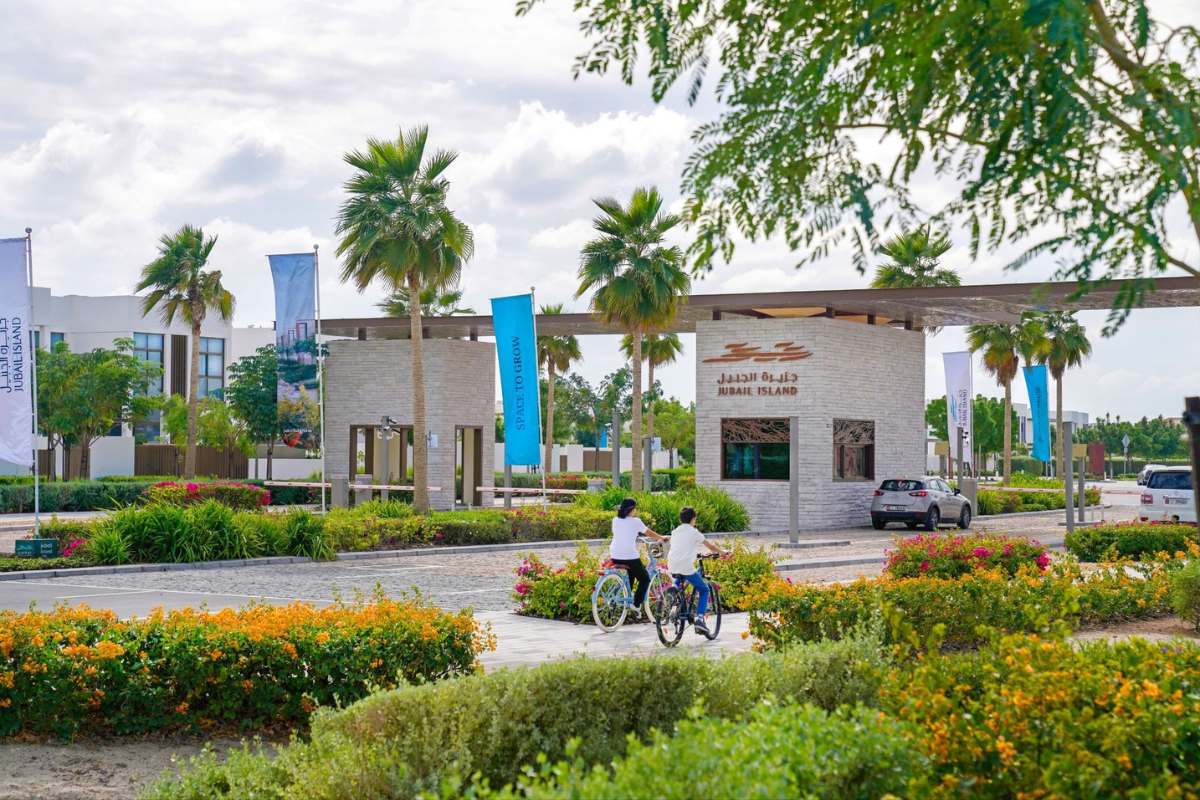
Dedicated cycling routes connect villages along key waterfront corridors, making it easy for residents of all ages to move around the island safely. The network supports:
- Leisure cycling
- Fitness activities
- Short daily trips
- Family outings
Additional mobility and recreational features include:
- Walking trails
- Running tracks
- Kayaking stations
- Equestrian bridle paths
For families, these amenities encourage a more active, outdoor-focused lifestyle while reducing reliance on cars for short local journeys.
Walking Comfort in Abu Dhabi's Climate
Any discussion of walkability in the UAE must acknowledge the climate.
During peak summer months, outdoor activity is naturally more comfortable in the early morning and evening than during midday hours. Jubail Island’s masterplan addresses this challenge through several design strategies:
Built-In Shade
Comfort is increased through:
- Tree-lined pathways
- Covered seating areas
- Building placement that reduces direct sun exposure
Native Landscaping
Local plant species require less irrigation while helping cool surrounding pedestrian zones.
Waterfront Breezes
The island’s coastal setting benefits from natural airflow, making outdoor spaces more comfortable during much of the year.
Short Travel Distances
By placing daily amenities close to residential areas, residents can reach destinations quickly rather than undertaking long walks in the heat.
While cars remain important for wider city travel, the goal is to make many everyday journeys possible on foot or by bicycle.
Why Walkable Communities Hold Long-Term Value
Walkability is increasingly recognised as one of the most valuable characteristics of a master-planned community. Features such as:
- Connected pathways
- Mature landscaping
- Integrated amenities
- Community gathering spaces
- Human-scale design
are difficult and expensive to retrofit once a development has been completed.
For homeowners, walkability enhances quality of life. For investors, it can strengthen long-term demand and support property values over time.
Families appreciate the ability for children to safely access parks and community spaces, while buyers are often drawn to neighbourhoods that feel complete and thoughtfully designed from day one.
Discovering the Right Walkable Community in Abu Dhabi
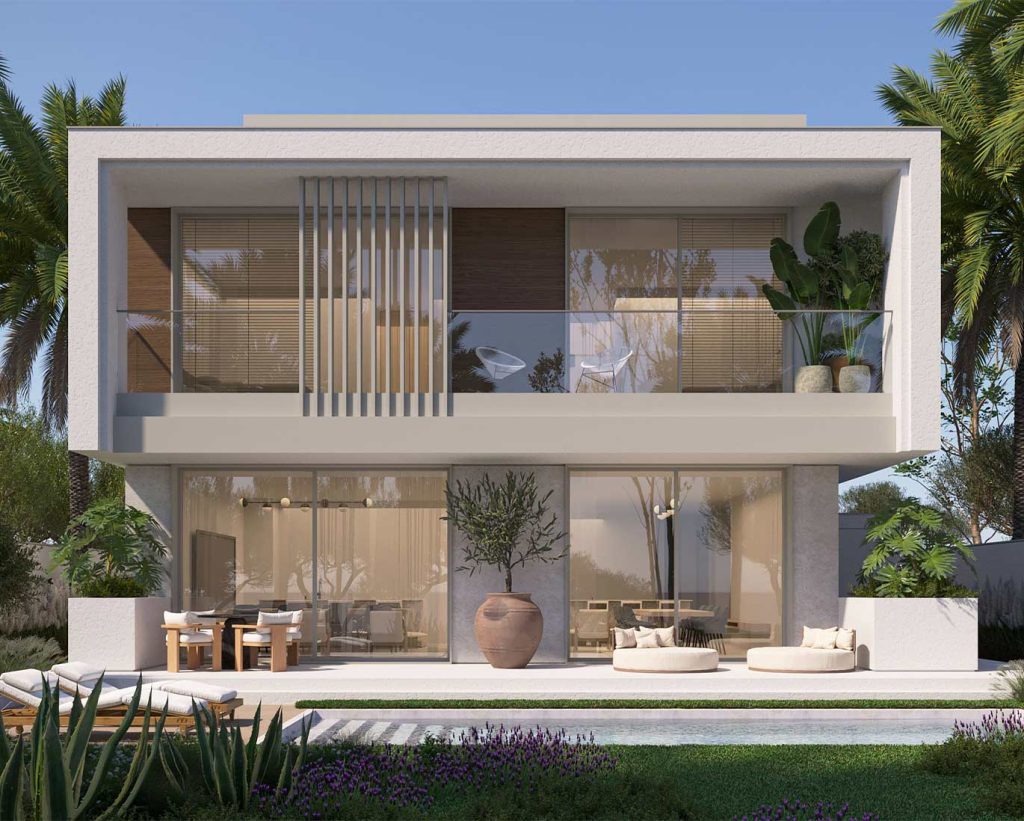
When evaluating any community, a simple test can reveal a lot about how walkable it truly is. Park your car and walk to:
- The nearest park
- A café or retail area
- A school entrance
- A waterfront or public space
Pay attention to the quality of the pathways, the amount of shade, the connections between destinations, and how comfortable the journey feels.
On Jubail Island, a walk through Souk Al Jubail, along the waterfront promenades, and onto the mangrove boardwalk provides a clear example of how thoughtful planning can create a healthier, more connected way of living.
For buyers seeking walkable communities in Abu Dhabi, master-planned waterfront communities, or family-friendly villas surrounded by nature, Jubail Island offers one of the most compelling residential environments in the UAE.